
Weed Control in Carson City, NV
Weeds compete aggressively with desirable plants for water, nutrients, and sunlight, making them a persistent challenge in Northern Nevada landscapes. In Carson City’s semi-arid climate, opportunistic species often thrive where turf or ornamental plants are stressed by heat or limited moisture. Ed's Landscape and Lawn Services LLC provides weed control in Carson City, NV to manage invasive growth in lawns, planting beds, and hardscape areas while supporting the health of surrounding vegetation.
Effective weed management involves more than removing visible growth. Many species spread through underground roots or produce seeds capable of remaining dormant for extended periods. A comprehensive approach addresses both existing weeds and the conditions that allow them to return.
Identification of Common Weed Types
Accurate identification is essential for selecting the most effective control method. Weeds vary widely in growth habits, root structures, and life cycles, and strategies that work for one type may be ineffective for another. Carson City landscapes frequently encounter a mix of annual weeds that complete their life cycle in a single season and perennial varieties that persist year after year.
Broadleaf weeds often appear in lawns as low-growing plants with wide leaves that contrast with grass blades. Grassy weeds can be more difficult to detect because they resemble turf but grow at different rates or in irregular patterns. In planting beds, aggressive species may spread rapidly, crowding out ornamental plants and disrupting design intent.
Understanding these distinctions allows targeted treatment that minimizes impact on desirable vegetation.
Live Your Best Lawn Life!
Chemical Treatment Applications
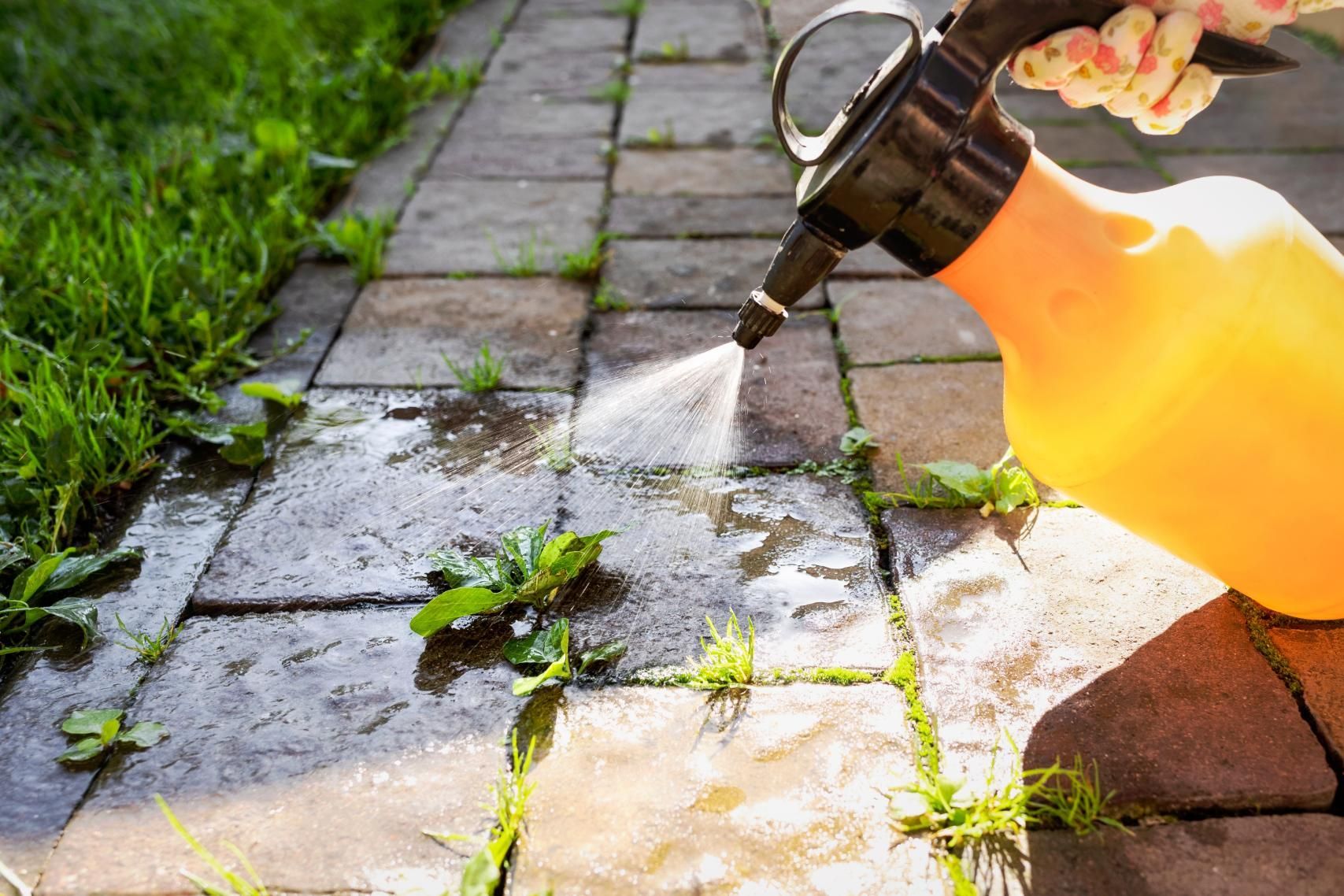
In situations where manual removal is impractical due to density or recurrence, targeted herbicide applications may be used. These treatments are selected based on the specific weed species and the surrounding environment to minimize unintended effects.
- Pre-Emergent Treatments
Pre-emergent herbicides are applied before weed seeds germinate, creating a barrier that prevents seedlings from establishing. Timing is critical, as applications must occur prior to the emergence period for maximum effectiveness. This method is commonly used in lawns and planting beds to reduce seasonal outbreaks.
- Post-Emergent Treatments
Post-emergent herbicides address weeds that are already growing. Formulations vary to target broadleaf or grassy species while preserving surrounding turf or ornamentals. Careful application ensures the treatment affects only the intended plants.
- Spot Treatment Techniques
Localized application focuses on individual weeds or small clusters, reducing chemical use and protecting nearby vegetation. This precision approach is especially useful in mixed plantings or near sensitive areas.
Mechanical Removal and Physical Control
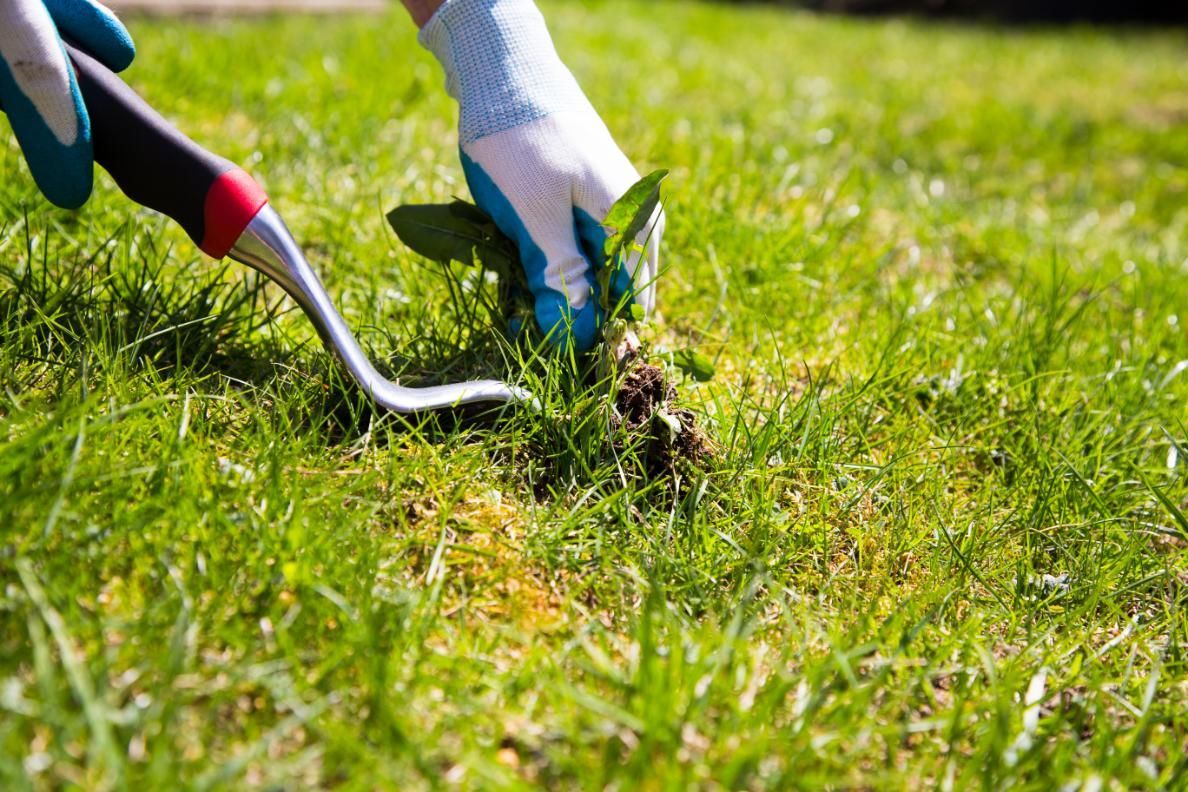
Physical removal is one of the most direct methods of weed control. Pulling or cutting weeds at the root prevents immediate regrowth and reduces seed production. This approach is particularly effective for isolated infestations or newly established weeds before they have developed extensive root systems.
In compacted or rocky soils common to Carson City, complete root extraction can be challenging. Specialized tools may be used to loosen soil and remove the entire plant structure, preventing fragments from regenerating. Regular monitoring ensures that any remaining roots or seedlings are addressed promptly.
Surface cultivation may also be employed in planting beds to disrupt emerging weeds before they become established. Maintaining a loose top layer of soil makes it harder for seeds to take hold while improving water penetration to desired plants.
Weed Control in Lawn Areas
Lawns are particularly vulnerable to weed invasion when grass becomes thin or stressed. Bare patches provide open soil where seeds can germinate easily. Maintaining dense turf through proper mowing, irrigation, and fertilization helps suppress weeds naturally, but active control measures are often necessary to eliminate established growth.
Selective treatments can remove unwanted plants without harming the grass. Following removal, overseeding or improved maintenance practices may be recommended to fill gaps and prevent reinfestation. Consistent monitoring ensures new weeds are addressed before they spread.
Management of Weeds in Landscape Beds and Hardscapes
Planting beds, gravel areas, and paved surfaces present different challenges compared to turf. Organic mulch can help suppress weeds by blocking sunlight, but seeds carried by wind or animals may still establish in the top layer. Regular inspection and removal keep growth from becoming entrenched.
Weeds emerging between pavers or along edges of walkways often exploit small gaps where soil accumulates. Clearing these areas prevents root systems from expanding and destabilizing hardscape elements. In gravel zones, periodic treatment maintains a clean appearance and prevents encroachment into adjacent plantings.
Managing weeds in these areas also preserves the intended visual structure of the landscape, ensuring that decorative materials and plant arrangements remain prominent.
Long-Term Prevention and Landscape Health
Sustainable weed control focuses on reducing the conditions that favor invasive growth. Healthy, well-maintained plants are more competitive and less susceptible to displacement. Proper irrigation prevents drought stress that can weaken turf or ornamentals, while balanced soil conditions support vigorous root systems.
Monitoring throughout the growing season allows early intervention, which is typically more effective than addressing large infestations later. Removing weeds before they produce seeds significantly reduces future populations.
Ed's Landscape and Lawn Services LLC
provides weed control in Carson City, NV tailored to the unique environmental factors of Northern Nevada. By combining identification, removal, targeted treatment, and preventive strategies, these services help maintain clean, functional landscapes where desired plants can thrive without persistent competition from invasive species.