
Retaining Walls in Carson City, NV
Sloped terrain, shifting soil, and drainage challenges are common across Northern Nevada properties. Retaining walls provide the structural support needed to stabilize these conditions while creating usable outdoor space. Ed's Landscape and Lawn Services LLC designs and installs retaining walls in Carson City, NV that address both engineering requirements and landscape integration, ensuring long-term performance in the region’s demanding climate.
Retaining walls are not simply decorative features. They serve a critical function by holding back soil, preventing erosion, and managing water movement across a property. When properly designed, they transform uneven or unusable land into stable, functional areas suitable for planting, walkways, patios, or open space.
Site Analysis and Structural Planning
Every retaining wall project begins with a detailed assessment of the site. Soil composition, slope severity, groundwater presence, and load conditions all influence the wall’s design. Carson City’s terrain often includes compacted soil, rock layers, and freeze-thaw cycles that can place additional stress on structural elements, making proper planning essential.
The height and length of the wall are calculated based on how much soil must be retained and the amount of pressure that will be exerted over time. Taller walls or those supporting heavy loads may require reinforced construction methods, including geogrid stabilization or engineered footings.
Drainage considerations are integrated into the design from the start. Without proper water management behind the wall, hydrostatic pressure can build up and compromise structural integrity. By incorporating drainage systems such as gravel backfill and perforated piping, the wall remains stable even during heavy precipitation or snowmelt periods
Live Your Best Lawn Life!
Materials and Construction Options
Retaining walls can be constructed from a variety of materials, each offering distinct structural characteristics and visual qualities. Selection depends on the intended function, desired appearance, and compatibility with the surrounding landscape.
- Concrete Block Systems
Segmental concrete blocks are widely used for their durability and flexibility. These interlocking units are designed to withstand soil pressure while allowing for slight movement without cracking. They can be installed in straight or curved configurations, making them suitable for both structural support and landscape shaping.
- Natural Stone Construction
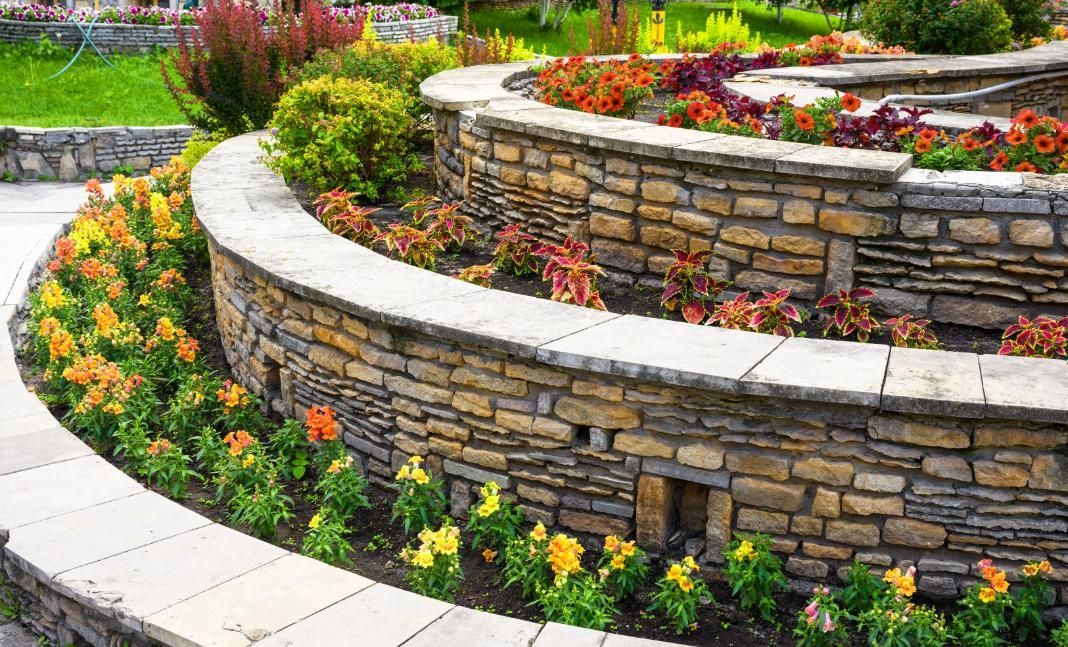
Natural stone walls provide a rugged, organic appearance that blends seamlessly with desert and mountain environments. Each stone is individually placed to create a stable structure while maintaining a natural aesthetic. This option is often chosen for properties seeking a timeless look that complements existing rock features or rustic architecture.
- Poured Concrete Walls
For situations requiring maximum strength, poured concrete offers a solid, monolithic solution. Reinforced concrete walls are commonly used where significant soil retention or structural loads are present. The surface can be left smooth or textured to coordinate with other hardscape elements.
Erosion Control and Soil Stabilization
One of the primary functions of a retaining wall is preventing soil movement. Without proper containment, sloped areas can gradually shift downhill, leading to landscape damage, foundation issues, and unsafe conditions. Retaining walls anchor the soil in place, reducing the risk of landslides or washouts caused by heavy rain or irrigation runoff.
In Carson City’s semi-arid climate, sudden storms can produce intense runoff that quickly erodes exposed slopes. A well-built wall intercepts this movement, directing water safely away from vulnerable areas. Stabilizing the soil also protects plantings, walkways, and other landscape features from displacement.
Terracing is another effective strategy made possible by retaining walls. By dividing a steep slope into multiple level sections, terraces reduce the overall grade while creating distinct planting zones or functional spaces. This approach improves accessibility and makes maintenance easier compared to managing a single steep incline.
Drainage Integration and Water Management
Water control is essential for the longevity of any retaining wall. Proper drainage systems prevent moisture buildup behind the structure, which can otherwise increase pressure and lead to failure. During installation, a permeable backfill layer is placed directly behind the wall to allow water to move freely toward designated outlets.
Perforated drain pipes are typically installed at the base of the wall to collect and redirect groundwater. These systems channel excess moisture away from the structure, preventing saturation of the retained soil. Surface grading above the wall is also adjusted to ensure rainfall flows away rather than accumulating at the top edge.
In regions with winter freezes, effective drainage helps minimize frost heave. By reducing trapped moisture in the soil, the wall is less susceptible to expansion and contraction cycles that can cause shifting or cracking over time.
Integration with Landscape Design
Retaining walls often become defining features within a landscape, shaping how outdoor spaces are organized and experienced. Beyond their structural role, they can frame planting beds, create seating edges, or establish boundaries between different functional areas.
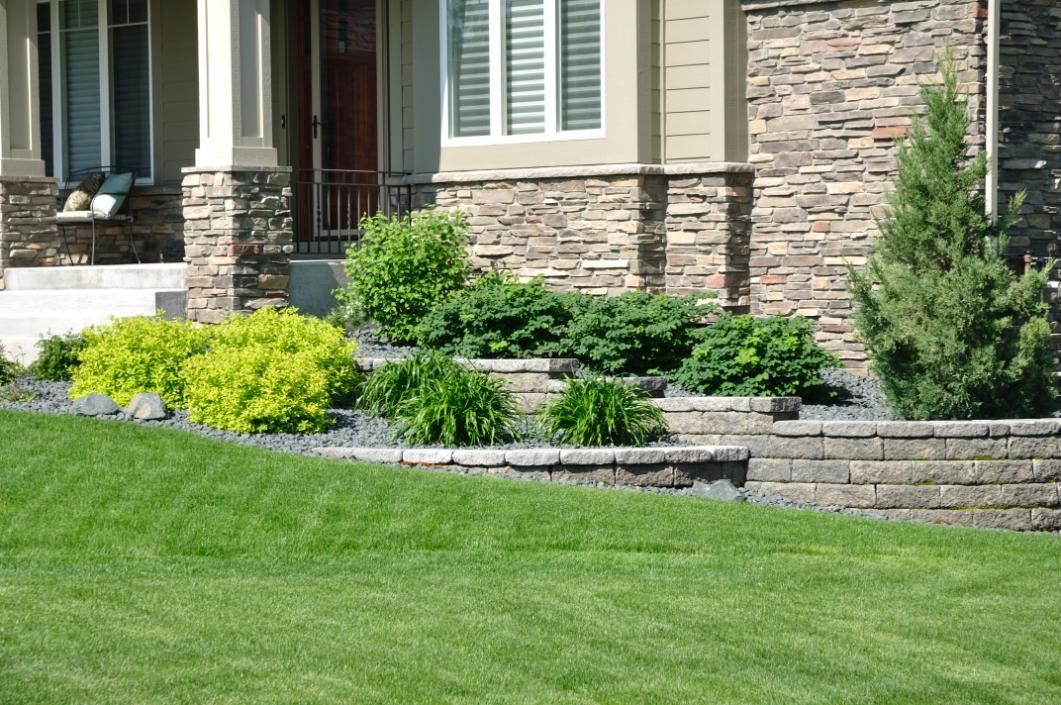
Walls can be positioned to support patios, driveways, or pathways, allowing these surfaces to remain level even on sloped ground. When combined with steps or tiered layouts, they improve accessibility throughout the property while maintaining visual continuity.
Material selection and wall geometry are coordinated with surrounding elements to achieve a cohesive appearance. Whether the goal is a natural hillside look or a more formal structured design, the wall is integrated so it enhances rather than dominates the landscape.
Long-Term Structural Reliability
A properly constructed retaining wall is designed to perform for decades with minimal intervention. Stability depends on accurate engineering, quality materials, and precise installation techniques. Foundations must be prepared to prevent settling, and each layer of construction must align with the overall structural plan.
Regular environmental stresses such as temperature fluctuations, soil moisture changes, and natural ground movement are all considered during the design process. By addressing these factors upfront, the finished wall maintains its alignment and strength over time.
Ed's Landscape and Lawn Services LLC
provides retaining wall installation in Carson City, NV that prioritizes structural integrity, drainage efficiency, and landscape compatibility. Each project is built to manage the unique terrain conditions of Northern Nevada while creating stable, usable outdoor spaces that support the surrounding environment.